
Business
Are You Tough Enough? Why ‘Grit’ is the New Currency for Success
We’ve become a culture obsessed with comfort, but success demands ‘grit’. Mental toughness isn’t about avoiding failure. It’s about how you respond. It relies on four keys: Fortitude (how hard you’re hit), Tolerance (how long you last), Resilience (how fast you bounce back), and Adaptability (how much you learn). This isn’t just a buzzword. It’s a trainable skill built on personal responsibility and separating your feelings from your actions.


We live in a world that seems obsessed with comfort. But success, whether in business or in life, is almost never comfortable. We’re all going to face setbacks. The real question is what happens next. Do you fold and stay down or do you bounce back?
This is where mental toughness comes in. It’s not about being emotionless or avoiding pain. It’s about how much you let a negative event change your actions.
A weak mind lets a bad event completely derail it. A strong mind experiences the same event but refuses to let it knock them off course. This “mental toughness” can be broken down into four key parts. Fortitude is how badly the event affects you. Tolerance is how long you can go before it does. Resilience is how fast you bounce back to normal. And most importantly, Adaptability is whether you actually learn from the failure and set a new, higher baseline for yourself.
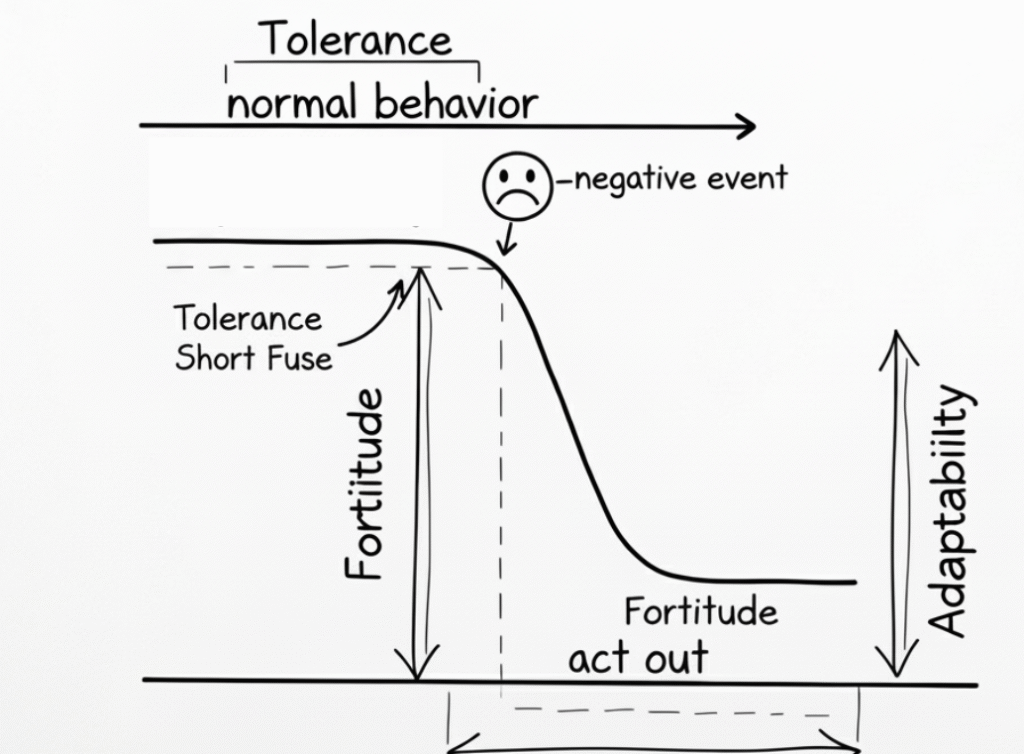
Tolerance: How long is your fuse? This is how much hardship you can endure before your behavior changes.
Fortitude: How low do you go? This is the intensity of your behavior change once your tolerance is broken.
Resilience: How fast do you bounce back? This is how long it takes you to return to a stable baseline after you’ve “acted out”.
Adaptability: Are you better or worse off? This is how your new baseline compares to your old one. Do you stabilize at a higher (better), same, or lower (worse) level of behavior?
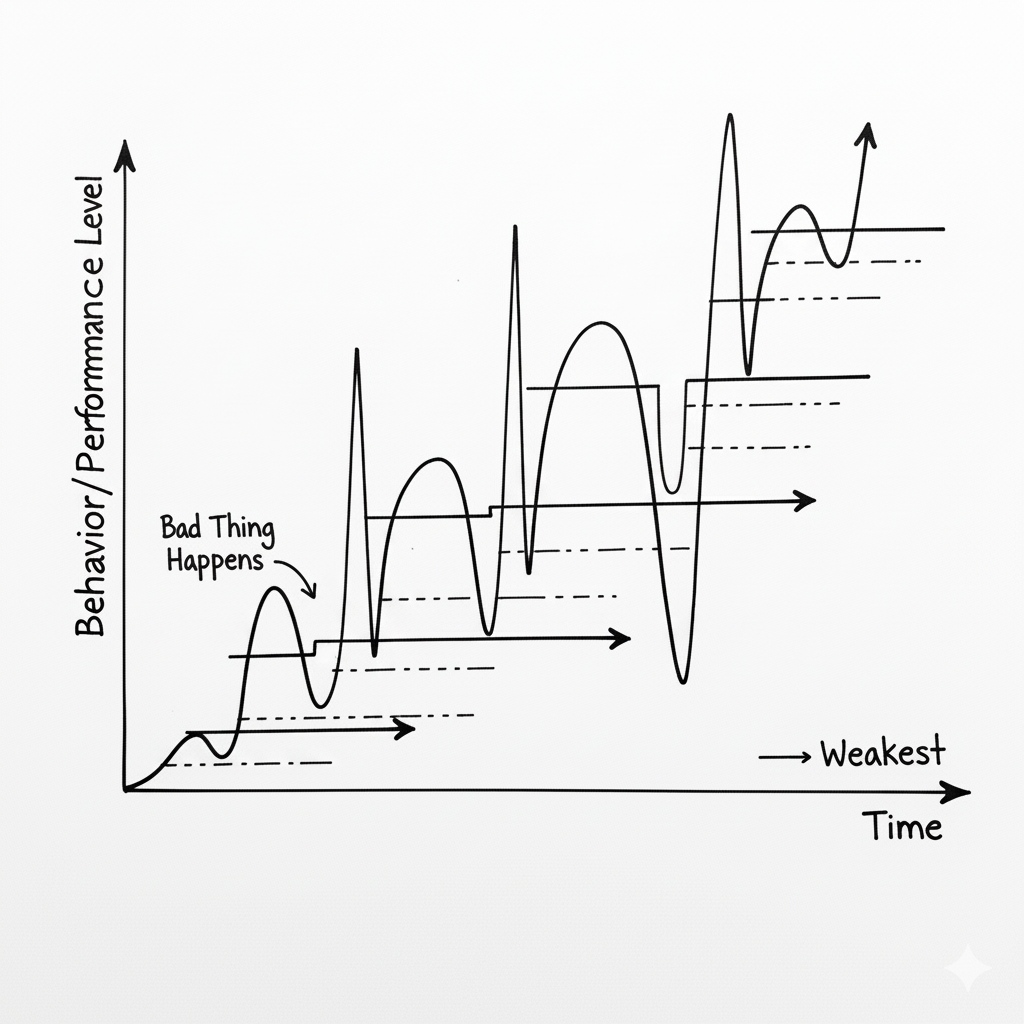
The “Ideal” (right side): In an ideal scenario, a “Bad Thing” causes only a minor, brief dip, and the recovery leads to a higher baseline. This person consistently learns and improves from adversity.
The “Weakest” (left side): Conversely, a less mentally tough person experiences significant, prolonged dips, and their recovery might only bring them back to the same or even a lower baseline. They struggle to grow from negative events. The overall trajectory of the baselines in this diagram illustrates the cumulative effect of mental toughness (or lack thereof) on one’s long-term behavior and performance.
The “Ideal” (10/10 Toughness): This person has huge tolerance (almost nothing bothers them), high fortitude (the change is tiny), high resilience (they recover almost instantly), and high adaptability (they use the event to get better). Life happens for them.
The “Weakest” (0/10 Toughness): This person has low tolerance (tiny things set them off), low fortitude (they spiral dramatically), low resilience (they stay down for a long time), and low adaptability (they stabilize at a worse baseline). Life happens to them.
How to Improve (Mental Toughness as a Skill)
Mental toughness is a skill you can develop, not a trait you’re born with. You can rate yourself on the four components and work on your weakest one.
- To Improve Tolerance (Short Fuse): Practice not giving events power over you. Be more upset about letting your behavior change than about the event itself.
- To Improve Fortitude (Spiraling): Recognize the moment your behavior changes and stop the negative snowball. Don’t let “bad get to worse”.
- To Improve Resilience (Slow Recovery): Focus on getting your actions back to normal as fast as possible, “independent of whether you feel like it or not”.
- To Improve Adaptability (Getting Worse): Ask yourself, “How can I let this bad thing serve me?”. Use the experience to change your behavior for the better.
You are allowed to feel frustrated, angry, or defeated. You are not allowed to let those feelings dictate your next move. In a competitive global market, the people, companies, and countries that can’t handle adversity will simply be left behind. Building this mental robustness is a choice. It’s the ultimate form of personal responsibility.
What do you think? Has our society become too soft, or is “mental toughness” just a buzzword for ignoring real problems? How do you build your own “grit” when facing a setback?
Join us on X and Facebook to share your thoughts.
Sources
American Psychological Association. “Building your resilience”. https://www.apa.org/topics/resilience
Duckworth, Angela. Grit: The Power of Passion and Perseverance. https://angeladuckworth.com/grit-book/
Fletcher, David. “Develop the Mental Toughness of a Warrior”. Harvard Business Review, 28 January 2021. https://hbr.org/2021/01/develop-the-mental-toughness-of-a-warrior





Business
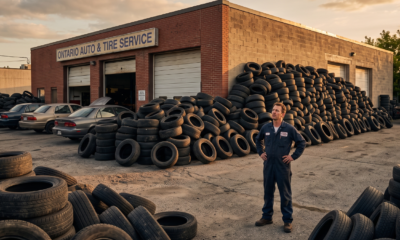
Mechanics Are Drowning in Free Rubber and Smart Hustlers Are Making Millions
TL;DR: Ontario auto repair shops are getting crushed under massive piles of scrap tires due to slashed provincial recycling targets, leaving mechanics facing municipal fines for stockpiles they cannot legally dump. Here is how enterprising creators can turn this provincial breakdown into a negative-cost raw material goldmine across four high-margin business models.
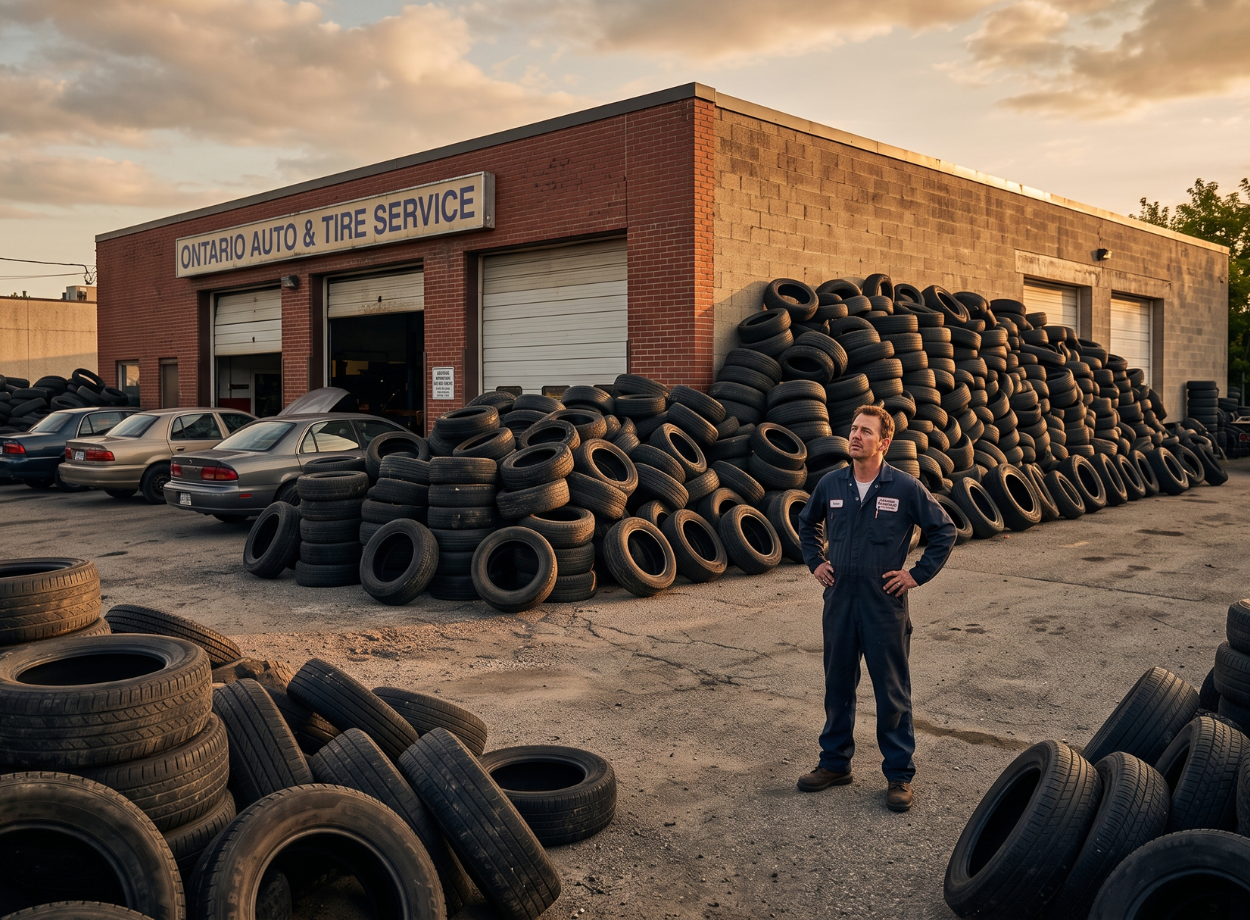
Across Ontario, local auto repair shops and tire dealers are facing a full-blown scrap tire emergency. Thousands of used tires are piling up in parking lots, service bays, and back alleys because collection haulers simply stopped showing up.
How did the province end up in this mess? Blame a quiet regulatory change under Ontario’s Resource Recovery and Circular Economy Act. The provincial government lowered mandatory recycling targets for Producer Responsibility Organizations from 85 percent down to 65 percent by weight. Once these big recycling entities hit their lowered quota, they lost every financial reason to keep paying haulers for additional pickups.
Drivers still hand over environmental fees for every tire at retail checkout counters. Consumers pay the fee, mechanics carry the physical burden, and local communities face serious fire hazards and mosquito breeding grounds. It represents an appalling failure of government policy that penalizes small business owners while letting large recycling organizations walk away.
Where provincial regulators see a disaster, modern creators see an absolute goldmine. Traditional manufacturing requires buying raw materials upfront. In a reverse supply chain, your suppliers actually pay you to haul away their inventory. You collect removal fees on the front end before you even begin processing or reselling on the back end.
This dual-revenue engine creates an unstoppable business model for ambitious Canadian hustlers. Here are four high-margin models ready to clean up Ontario while making serious money.
Model 1 – B2B Logistics and Removal Buffer
Initial Investment Level – Low
Approximate Time-to-Market – Immediate
You do not need expensive machinery or massive capital to launch right away. Independent mechanics are desperate for reliable haulage to stay clear of municipal fines. By offering a subscription retainer or charging two to five dollars per tire, you give auto shops immediate relief. You collect upfront removal fees, lease low-cost rural storage space, and aggregate high volumes until bulk industrial recyclers are ready to buy.
Model 2 – Physical Processing for Infrastructure and Turf
Initial Investment Level – Medium
Approximate Time-to-Market – 3 to 6 Months
With standard shredders and granulators, whole tires transform into valuable construction feedstocks. Basic processing produces Tire-Derived Aggregate, which sells for thirty to eighty dollars per ton for lightweight road sub-bases and retaining walls. Medium processing yields crumb rubber for synthetic sports turf and playground surfaces at up to four hundred dollars per ton. High-grade fine rubber powder commands premium rates up to six hundred dollars per ton for rubberized asphalt and commercial manufacturing.
Model 3 – Experiential Recreation Parks
Initial Investment Level – Low to Medium
Approximate Time-to-Market – 1 to 3 Months
You can bypass mechanical processing entirely by using whole tires as structural features. Paintball and airsoft arenas need tactical bunkers, sniper towers, and maze walls. Outdoor fitness grounds require obstacle courses, tire-flip lanes, and agility grids. You earn collection fees when sourcing the tires, then generate recurring consumer revenue through field admissions, group corporate events, and gear rentals.
Model 4 – High-Tech Thermal Pyrolysis
Initial Investment Level – High
Approximate Time-to-Market – 12+ Months
For well-capitalized operators, thermal decomposition breaks rubber down into core chemical elements without oxygen combustion. This process generates Tire Pyrolysis Oil for industrial fuel, recovered Carbon Black for commercial rubber manufacturing, and clean scrap steel for metal recyclers.
Waiting around for government bureaucrats to fix recycling quotas is a losing game. The provincial scrap tire backlog is a classic example of red tape creating a real-world market gap. Enterprising entrepreneurs have a massive opportunity to step in, collect cash on day one, and turn an environmental nightmare into a thriving circular enterprise.
Do you think the provincial government should immediately restore the old recycling targets, or should independent entrepreneurs take over the market and fix the crisis themselves? What creative business would you build out of a thousand free tires?
Business
How To Escape The Feast Or Famine Trap In Local Contracting
TL;DR: Most home service businesses are trapped on a financial roller coaster because they sell one-off fixes. By pivoting to a recurring monthly subscription model, local trades in Canada can lock in predictable cash flow, cut marketing costs, and double their business valuation overnight.

Most home service business owners are running an expensive gamble.
You wake up every single month at zero dollars.
You need to run ads. You need to answer emergency calls. You need to hustle for every single job.
If the phone stops ringing, your income dies.
That is a fragile business.
Here is the truth.
Transactional service work is a trap. When you charge $200 for a one-time plumbing fix or $50 for a lawn cut, you are constantly re-buying your own customers.
Every single year you spend thousands of dollars on flyers, digital ads, and sponsored posts just to get people to call you once.
That drives up your customer acquisition cost. It eats your profit margins alive. What if you changed the offer entirely?
Instead of waiting for something to break, sell peace of mind. Sell a monthly membership.
Imagine offering local homeowners a $39 per month priority home maintenance plan. For $39 a month, they get an annual system checkup, priority scheduling, zero emergency call-out fees, and ten percent off all repairs.
To the customer, it feels like an obvious deal. They avoid sudden $1,000 repair surprises. They get instant service when snow hits or a pipe bursts.
To you, it changes everything.
Let us look at the simple math.
If you sign up 500 local homeowners in your city, that is $19,500 hitting your bank account every single month before you even open your doors.
That is over $230,000 in predictable recurring revenue every year.
Your customer acquisition cost drops to almost zero because your members stay with you for years. Your cash flow becomes smooth and stable. You can hire staff with confidence. You can buy equipment without stress.
Best of all, you build a massive competitive moat in your local market.
When a subscriber needs a repair, who do you think they call? They do not search online for a competitor. They call you because they are already paying you.
You effectively lock out the competition. You own the local market.
When you decide to sell your business down the road, buyers do not pay big money for transactional work. They pay for predictable cash flow.
A standard home service business might sell for two times annual earnings. A subscription-based business with recurring contracts can easily sell for five to eight times earnings.
You build real equity simply by changing how you bill your clients. Stop starting every month at zero. Build a membership model. Secure your revenue.
Are you still relying on one-time emergency calls, or are you building recurring revenue into your business model this year? What is holding you back from making the shift?
Business
How Rented Equipment Can Bankroll Your Belleville Summer
TL;DR: Spring has sprung in the Quinte region and homeowners are desperate to fix their messy yards. We break down how to launch three income streams in Belleville using rented gear and smart capitalism. A single swipe of your credit card at the local rental counter is all it takes to unlock a high-profit summer business.
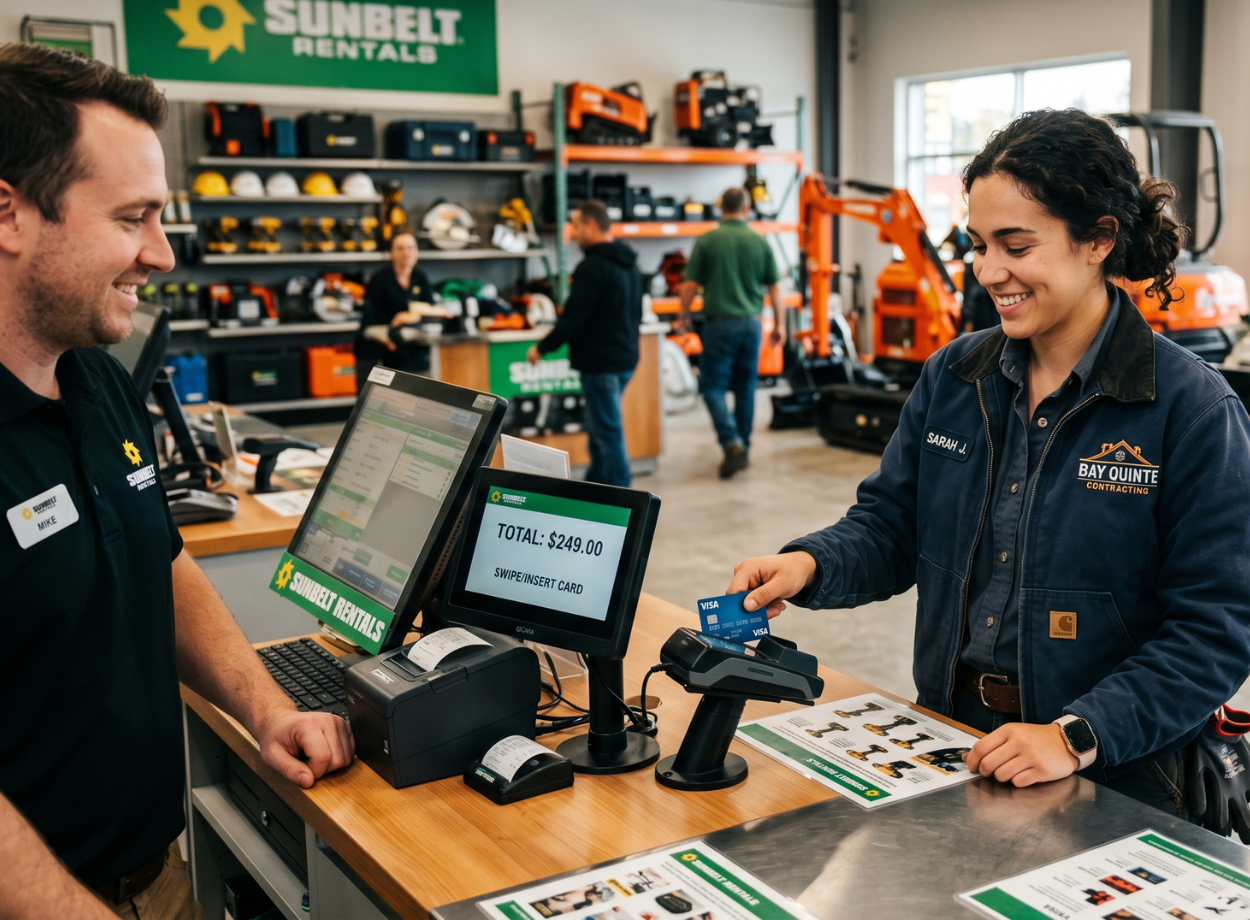
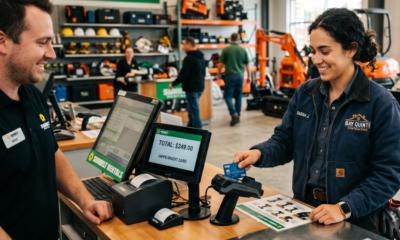
The Quinte region is finally thawing out and property owners are panicking about their messy yards. Belleville homeowners are desperate for reliable people to clean up the winter wreckage and prep their spaces for summer. You do not need a massive business loan to start cashing in on this demand. You just need a driver’s license, a solid work ethic, and a quick trip to Sunbelt Rentals on Enterprise Drive or the Home Depot tool desk on Bell Blvd. By renting equipment you can launch revenue streams with zero long-term commitment. Renting is the ultimate hack for testing a business idea and allows you to close deals before ever investing a dime.
1. Sustainable Scrap Hauling and Yard Clean Up
How to start Rent a pickup truck or an enclosed utility trailer for the weekend. Local spots like Battlefield Equipment Rentals often have daily or weekend rates that let you maximize a short window of work. Grab some heavy-duty garbage bags, gloves, and a reliable rake to compliment your rental.
The Modern Edge Give your business a modern edge by being an eco-warrior. Properly sorting scrap metal and green waste for local recycling centers instead of hitting the landfill makes you stand out. People love paying a premium when they feel good about where their junk is going.
Scaling up Join local Quinte and Belleville community groups on Facebook and post photos of the exact trailer you rented. Offer a flat rate for removal. You will know it is time to pivot when you are turning down jobs because you cannot make it to the dump fast enough. At that point hire a helper from to handle the heavy lifting while you focus on quoting and closing.
2. Viral-Ready Stump Grinding
How to start Rent a walk-behind stump grinder. These machines are absolute beasts and very intimidating to the average homeowner. Pick one up from a local rental yard and spend an hour practicing on a soft stump on your own property or offer the service for free to get the mechanics down safely.
The Marketing Hack Stump grinding is the king of oddly satisfying content. Film the process for TikTok or Instagram Reels. These videos go viral constantly and serve as free local marketing. Drive through older Belleville neighborhoods like the East Hill and look for freshly cut trees. A simple flyer or a viral video link can secure a lucrative contract.
Scaling up The moment the rental fees start eating into more than thirty percent of your monthly profits you need to finance your own commercial grinder. Once you own the equipment reach out to local tree-cutting services in Hastings County that do not offer grinding. You can easily become their dedicated subcontractor.
3. Premium Pressure Washing and Restoration
How to start Head to the local tool rental desk and grab a commercial-grade pressure washer with a surface cleaner attachment. The surface cleaner is the secret weapon because it blasts driveways evenly and in half the time of a standard wand.
The Profit Secret Pressure washing is basically printing money if you understand chemical treatments. Moving beyond just water into soft-washing with eco-friendly soaps allows you to charge double what an amateur charges. It elevates the service from a chore to a premium property restoration. Use a QR code on a lawn sign while you work to capture leads from curious neighbors.
Scaling up Level up when you are booking back-to-back jobs and the physical fatigue of dragging rented hoses limits your output. Build a custom rig by mounting your own high-gallon washer in a truck or van with a dedicated water tank. This cuts setup time to minutes and lets you take on bidder commercial jobs.
Renting equipment is the ultimate cheat code to start a lucrative business in Belleville this season. You get immediate access to professional tools without the terrifying overhead and stress of ownership. Stop scrolling and start scaling.
Which of these three side hustles fits your vibe the best? Are you ready to grab your wallet and start scaling this summer?



Mechanics Are Drowning in Free Rubber and Smart Hustlers Are Making Millions
TL;DR: Ontario auto repair shops are getting crushed under massive piles of scrap tires due to slashed provincial recycling targets,...

Unlocking the Canadian Defence Sandbox: How Quinte Innovators Can Use Speed and Local Muscle to Scale
TL;DR: Global defense is moving faster than government bureaucracy. The new Calian 100 million shared lab network gives Canadian startups...


The Ancient Superhighway: How a Tropical Drink Reached the Bay of Quite 2,000 Years Ago
TL;DR: Discover how 2,000-year-old pottery found in the St. Lawrence River reveals a massive prehistoric trade network. Ancient residents of...


How To Escape The Feast Or Famine Trap In Local Contracting
TL;DR: Most home service businesses are trapped on a financial roller coaster because they sell one-off fixes. By pivoting to...

How Rented Equipment Can Bankroll Your Belleville Summer
TL;DR: Spring has sprung in the Quinte region and homeowners are desperate to fix their messy yards. We break down...


Stop Grinding Alone: The Secret Support Network for Quinte Business Owners
TL;DR: Starting a business in the Bay of Quinte doesn't have to be a solo grind. Our region offers a...

How to Get Free of the 9 to 5 and Get Rich From Common Chores
TL;DR: This step-by-step guide breaks down how to ditch the grind and build a high-revenue service empire in your own...


The latest inductees into the Order of Canada has been released. We take a look at past Bay of Quinte inductees.
TL;DR: The 2026 Order of Canada inductees include pop culture icons like Nardwuar alongside Bay of Quinte legends who have...


6 Predictions for 2026: The Death of Job Hugging and the Rise of the Portfolio Professional
TL;DR: The Canadian dream is getting a massive update as we enter 2026. The traditional 9-to-5 is officially a legacy...
-

 Local7 months ago
From Trenton to Torino! The Quinte Skater Ready to Shock the World
-
History6 months ago
The Ancient Superhighway: How a Tropical Drink Reached the Bay of Quite 2,000 Years Ago
-
Business6 months ago
Unlocking the Canadian Defence Sandbox: How Quinte Innovators Can Use Speed and Local Muscle to Scale
-
Business4 months ago
How Rented Equipment Can Bankroll Your Belleville Summer
-
Business1 month ago
How To Escape The Feast Or Famine Trap In Local Contracting
-
Business4 weeks ago
Mechanics Are Drowning in Free Rubber and Smart Hustlers Are Making Millions
-

 Small Business4 weeks ago
Local Shops and Events Organizers are Being Shamed for Using Ai